Do cars fit in shipping containers
Shipping containers have revolutionized the transportation and logistics industry, offering a versatile means to transport a wide array of goods across the globe. Among the many items shipped internationally, cars are frequently transported using these containers. But do cars fit in shipping containers? Let’s explore this question, considering vehicle dimensions, container size, and other critical factors.
Understanding Container Size and Types
The most common shipping containers used in the industry are the 20-foot and 40-foot standard containers; These containers are designed to accommodate various types of cargo, including vehicles. Here’s a breakdown of their dimensions:
- 20-foot container: Approximately 20 feet in length, 8 feet in width, and 8.5 feet in height.
- 40-foot container: Roughly 40 feet in length, 8 feet in width, and 8.5 feet in height.
There are also high cube containers, which are slightly taller, offering an additional foot in height.
Vehicle Dimensions and Container Capacity
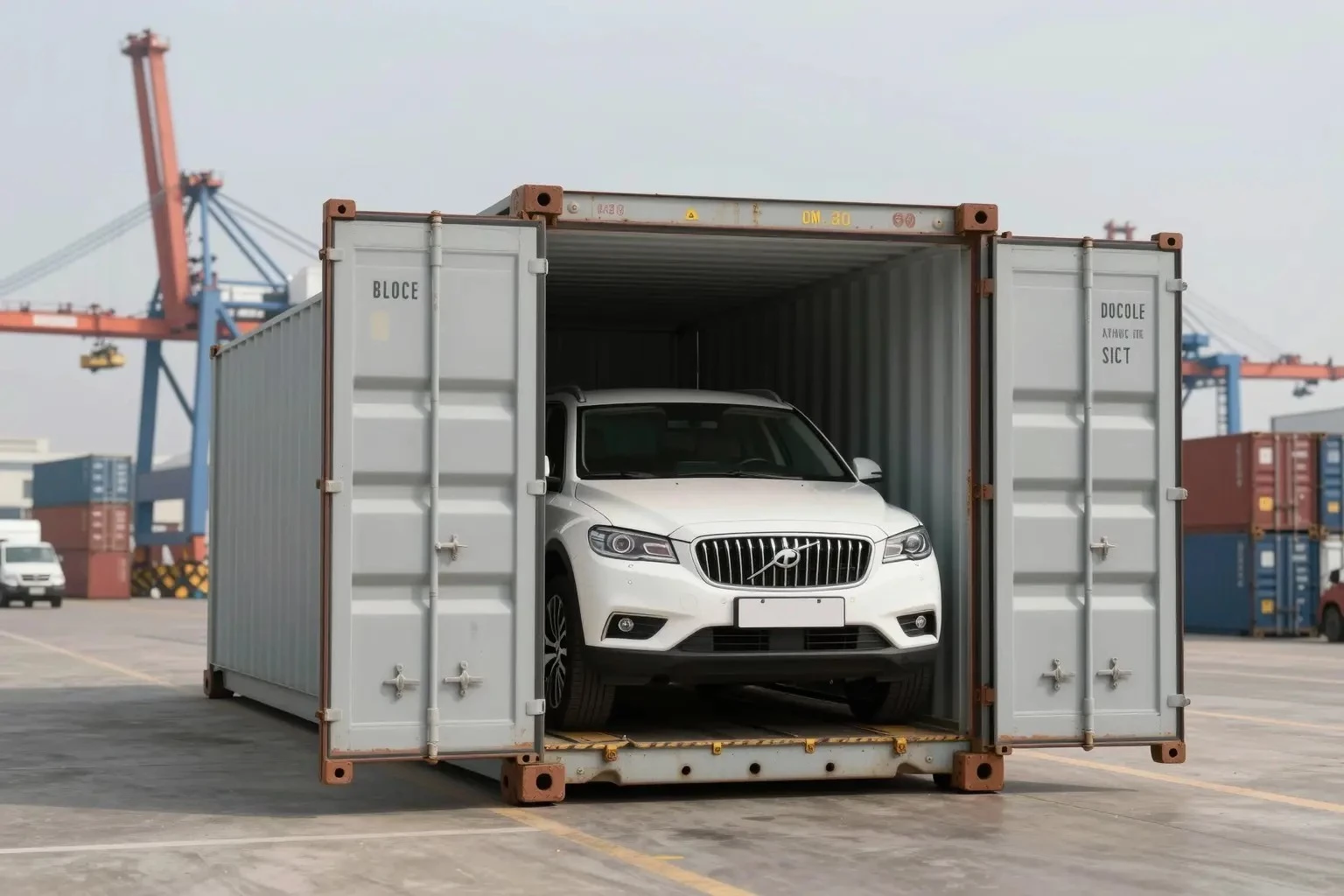
When considering whether a car can fit inside a shipping container, it’s crucial to compare the vehicle’s dimensions with the container capacity. A standard sedan or compact car typically fits into a 20-foot container. However, larger vehicles, such as SUVs and trucks, may require a 40-foot container or might need to be shipped using specialized container types like flat racks.
Container Loading and Vehicle Safety
Proper container loading is essential to ensure the safety of the vehicle during transit. This involves securely positioning the car within the container to prevent movement, which could lead to damage. Professional freight forwarding companies specialize in vehicle shipping, ensuring that cars are loaded safely and efficiently.
The Role of Containerized Shipping in the Industry
Containerized shipping has become a cornerstone of the shipping industry, providing a secure and reliable method for international shipping of vehicles. This method protects automobiles from weather elements and potential damage during transit. Consequently, it is a preferred choice for many car manufacturers and dealerships.
Logistics and Freight Considerations
When planning to ship a car, understanding the logistics involved is crucial. This includes choosing the right container size, ensuring the vehicle’s dimensions are compatible, and coordinating with a reliable shipping company. These factors collectively contribute to a smooth car transport process.
Storage and International Shipping
Shipping containers provide not only a means of transport but also a storage solution. Cars can be stored temporarily in containers before or after their journey, offering flexibility in freight planning. This aspect is particularly beneficial in international shipping, where timing and coordination are key.