Can I ship my car to another country
Shipping a car internationally can be a daunting task, but with the right information and guidance, it becomes a manageable process. Whether you’re relocating, selling your car, or simply taking an extended trip abroad, international car shipping provides the solution for moving your vehicle across borders. In this article, we’ll explore the intricacies of vehicle transport, including the methods, costs, and regulations involved.
Understanding Overseas Shipping
The process of shipping a car overseas involves several steps, primarily focusing on car export and auto transport services. The first step is choosing a reliable shipping company that specializes in international vehicle transport. These companies typically offer a range of services to simplify the process, from freight forwarding to customs clearance and more.
Key Considerations in International Car Shipping
- Import Regulations: Each destination country has specific import regulations governing vehicle entry. It’s crucial to research these rules to ensure compliance and avoid any legal issues.
- Shipping Costs: The cost of shipping a car internationally can vary significantly based on factors like distance, shipping method, and vehicle size. It’s essential to obtain quotes from multiple providers to find the best deal.
- Delivery Methods: Common delivery methods include container shipping and roll-on/roll-off (RoRo) services. Container shipping offers more protection, while RoRo is usually more cost-effective.
- Vehicle Documentation: Proper vehicle documentation is vital for a smooth shipping process. This includes the title, registration, bill of sale, and any other required paperwork.
- Transportation Logistics: Effective transportation logistics are key to ensuring your vehicle reaches its destination safely and on time.
Shipping Methods Explained
Choosing the right shipping method is crucial for both cost and safety. Here’s a closer look at the most common options:
Container Shipping
Container shipping involves placing the vehicle inside a large shipping container, providing protection from the elements and potential damage during transit. This method is ideal for high-value vehicles or when additional goods need to be shipped alongside the car. However, it tends to be more expensive than other options.
Roll-On/Roll-Off (RoRo) Shipping
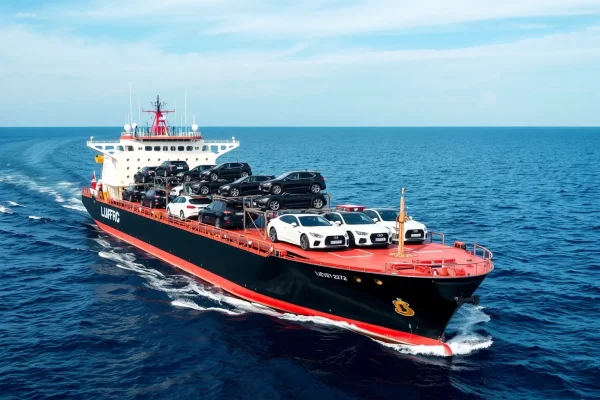
Roll-on/roll-off shipping involves driving the vehicle onto a specialized vessel designed for transporting vehicles. The car is secured on the deck during the journey. RoRo is generally cheaper than container shipping, making it a popular choice for standard vehicles; However, it offers less protection against weather and potential damage.
Preparing Your Vehicle for Shipping
Before your car can be shipped, there are several preparatory steps you need to take:
- Cleaning: Thoroughly clean your vehicle both inside and out. This step is crucial for inspection purposes and to prevent any pests from being transported to the destination country.
- Inspection: Conduct a detailed inspection of your vehicle, noting any existing damage. Take photographs for your records.
- Remove Personal Items: Remove all personal items from the vehicle to avoid complications with customs and to minimize the risk of theft.
- Check Fluid Levels: Ensure all fluid levels are appropriate, especially the fuel tank, which should be only a quarter full to meet shipping regulations.
Insurance and Vehicle Safety
Ensuring the vehicle safety during transit is a priority. Most shipping companies offer insurance coverage as part of their service, but it’s important to verify the extent of this coverage and consider additional insurance if necessary.
Understanding Transit Time and Costs
The transit time for international car shipping can vary based on the destination country and shipping method. Generally, shipping can take anywhere from two weeks to over a month. It’s important to plan accordingly and factor in potential delays due to weather or customs processing.
Shipping costs are influenced by several factors, including the type of vehicle, the shipping method chosen, and the distance to the destination country. Requesting quotes from various shipping companies will help you find competitive rates.
Customs Clearance and Import Regulations
One of the most complex aspects of international car shipping is customs clearance. Each country has its own set of import regulations that must be followed. Failure to comply can result in delays, fines, or even the vehicle being denied entry.
It’s advisable to work with a freight forwarding company that offers comprehensive customs services to navigate these regulations. They can assist with documentation and ensure all necessary fees and taxes are paid.
Choosing the Right Port of Entry
The choice of port of entry can impact both cost and convenience. Some ports may have lower fees or better infrastructure for handling vehicle shipments. Researching and selecting the most suitable port is a critical step in the planning process.
Shipping a car to another country involves careful planning and consideration of multiple factors, from choosing the right shipping company to understanding import regulations and preparing your vehicle for transport. By staying informed and working with experienced professionals, you can ensure a smooth and successful shipping experience. Whether opting for container shipping or roll-on/roll-off services, prioritizing vehicle safety, and managing logistics efficiently will make the process straightforward and stress-free.