How are cars shipped from overseas
The international shipping of vehicles is a complex yet fascinating process that involves numerous logistical challenges and detailed coordination. This article delves into the intricacies of how cars are shipped from overseas‚ focusing on key aspects such as logistics‚ transportation‚ import‚ and export. It highlights the pivotal role of container ships‚ the importance of customs and documentation‚ and the unique processes involved in Roll-on/Roll-off (RoRo) shipping. Additionally‚ it discusses shipping ports‚ vehicle handling‚ and the nuances of ocean freight. The article also covers car carriers‚ international shipping regulations‚ delivery timelines‚ transit times‚ cost considerations‚ maritime law‚ and cargo insurance.
Understanding the Logistics and Transportation
Logistics and transportation are the backbone of vehicle shipping. The process begins with a thorough understanding of the import and export requirements of the countries involved. This involves adhering to specific regulations and ensuring all necessary documentation is in order.
Role of Container Ships and RoRo Vessels
Container ships and RoRo vessels are the primary modes of transporting vehicles across oceans. Container ships are large cargo ships that carry cars in specially designed containers. This method protects vehicles from external elements and allows for efficient stacking and transportation.
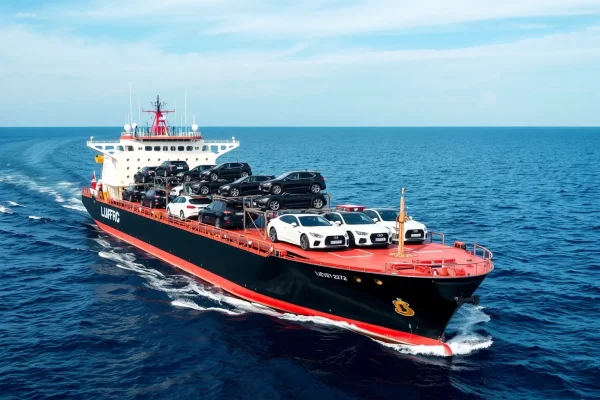
On the other hand‚ RoRo vessels are designed to carry wheeled cargo‚ including cars‚ trucks‚ and trailers. Vehicles are driven on and off the ship‚ making loading and unloading swift and straightforward. This method is particularly popular for shipping large volumes of vehicles due to its efficiency and cost-effectiveness.
Import‚ Export‚ and Customs
Successfully importing or exporting a vehicle requires compliance with various customs regulations. Customs authorities in both the originating and destination countries require specific documentation to clear the vehicles for international shipping.
Essential Documentation for Vehicle Shipping
- Bill of Lading: This is the primary document issued by the shipping company‚ serving as a receipt and a contract for the transportation of the vehicle.
- Commercial Invoice: Details the transaction between the buyer and seller‚ including the vehicle’s value.
- Certificate of Origin: Certifies where the vehicle was manufactured.
- Import/Export License: Required by some countries to permit the vehicle’s shipment.
- Insurance Documents: Proof of cargo insurance to cover potential damages during transit.
Understanding and organizing these documents is crucial to ensure a smooth customs clearance process‚ avoiding delays and additional costs.
Shipping Ports and Vehicle Handling
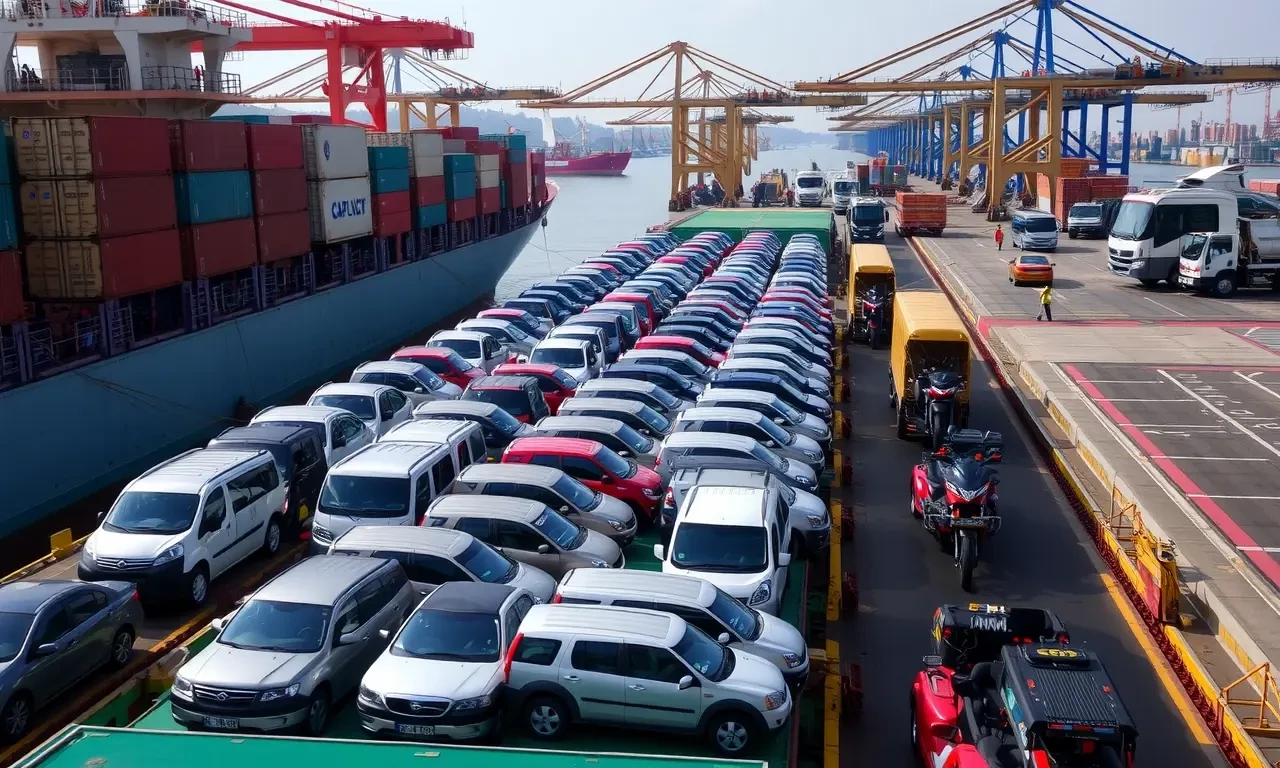
Shipping ports are strategic hubs in the vehicle shipping process. They facilitate the efficient loading and unloading of vehicles‚ and their location can significantly impact delivery times and costs.
Efficient Vehicle Handling at Ports
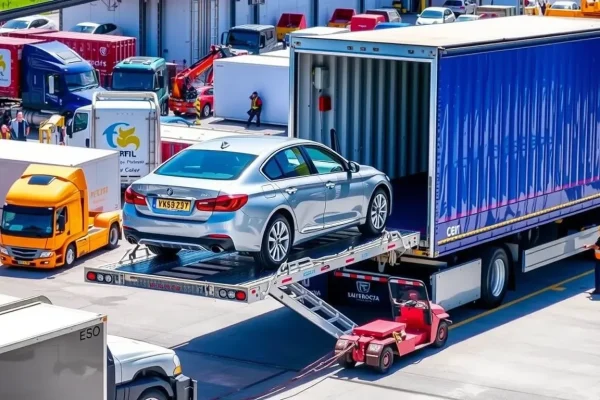
Ports are equipped with specialized equipment and trained personnel to handle vehicle shipments. This includes the use of ramps for RoRo vessels and cranes for container ships. Ensuring vehicles are loaded and secured properly is crucial to avoid damage during ocean freight.
Car Carriers and Ocean Freight
Car carriers‚ whether by container ship or RoRo‚ are designed to ensure vehicles are transported safely and efficiently across oceans. The choice between these two depends on factors such as cost‚ transit time‚ and the nature of the vehicles being shipped.
Choosing the Right Mode of Ocean Freight
The decision between container shipping and RoRo depends on several factors:
- Cost: RoRo is generally less expensive due to lower handling requirements.
- Transit Time: Container shipping can be quicker as it may follow more direct routes.
- Vehicle Type: High-value or classic cars might be better suited to container shipping for added protection.
Understanding these factors helps in making informed decisions that balance cost‚ safety‚ and delivery timelines.
International Shipping and Delivery
International shipping involves coordinating multiple parties‚ including shipping companies‚ customs brokers‚ and logistics partners. Delivery times can vary based on the shipping route‚ port congestion‚ and customs clearance processes.
Managing Transit Times
Transit times are influenced by several factors‚ including:
- Distance between the port of origin and destination.
- Shipping routes and schedules.
- Customs clearance efficiency.
- Weather conditions and maritime regulations.
Effective management of these factors ensures timely delivery‚ meeting customer expectations and minimizing delays.
Cost Considerations and Regulations
The cost of shipping a vehicle overseas can vary widely based on several factors. These include the shipping method‚ distance‚ fuel charges‚ and port fees.
Understanding Shipping Costs
Shipping costs can be broken down into:
- Base Freight Charges: The primary cost of moving the vehicle from one port to another.
- Port and Handling Fees: Charges for loading and unloading at ports.
- Customs Duties and Taxes: Vary depending on the country’s regulations.
- Insurance Costs: Essential to protect against potential losses or damages.
Regulations also play a crucial role in determining shipping costs‚ as compliance with maritime law and customs requirements can incur additional expenses.
Maritime Law and Cargo Insurance
Adherence to maritime law is essential in international shipping. These laws govern how shipping operations are conducted‚ ensuring safety‚ security‚ and environmental protection.
The Importance of Cargo Insurance
Cargo insurance is a vital consideration when shipping vehicles. It provides coverage for potential losses or damages during transit‚ offering peace of mind to both the shipper and the recipient.
Insurance policies can vary‚ covering risks such as:
- Damage from loading and unloading.
- Weather-related incidents at sea.
- Theft or loss during transit.
Choosing the right insurance policy is crucial to mitigate financial risks associated with international vehicle shipping.
The process of shipping cars from overseas is a multifaceted operation that requires precise coordination and understanding of logistics‚ transportation‚ and regulations. From the use of container ships and RoRo vessels to the complexities of customs and documentation‚ each step is vital to ensuring vehicles reach their destinations safely and efficiently. By effectively managing transit times‚ costs‚ and adhering to maritime law and cargo insurance requirements‚ stakeholders can navigate the challenges of international shipping and deliver vehicles to their destinations with confidence.