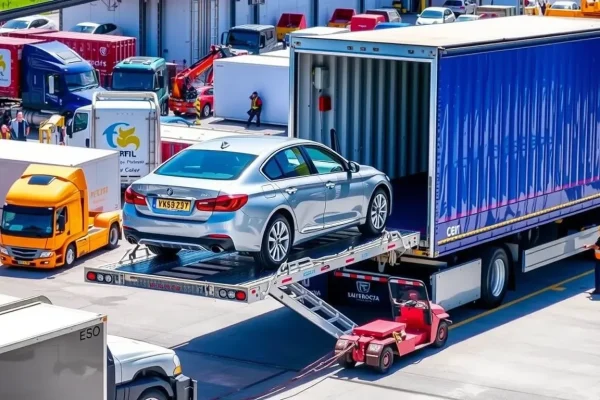
how to ship your car across country
Shipping a car across the country can seem daunting, but with the right information and planning, it can be a straightforward process. Whether you’re relocating, purchasing a vehicle from afar, or sending a car to a distant family member, understanding the nuances of auto transport can save you time, money, and stress. This article will guide you through the steps and considerations involved in vehicle shipping.
Understanding Auto Transport Options
When it comes to cross-country car shipping, there are several options available:
- Open Carrier: The most common and cost-effective method for car transport service. Your vehicle is loaded onto an open trailer, exposing it to the elements but generally safe for most cars.
- Enclosed Carrier: Provides more protection as your car is transported in a covered trailer. This option is ideal for luxury, classic, or high-value vehicles, albeit at a higher cost.
- Door-to-Door Delivery: Conveniently picks up and drops off your vehicle at specified locations, but may be more expensive than terminal-to-terminal options.
Choosing the Right Car Shipping Company
Selecting a reliable car shipping company is crucial. Here are some tips:
- Research: Look for companies with good reviews, years of operation, and proper licensing with the Department of Transportation;
- Get Quotes: Obtain estimates from multiple companies to compare car shipping costs; Ensure the quotes include all fees and services.
- Check Insurance: Verify that the company offers adequate auto transport insurance to cover damages during transit.
Role of Transport Brokers
A transport broker can assist in finding the best deal by leveraging their network of carriers. Brokers are knowledgeable about vehicle logistics and can help streamline the process. However, they act as intermediaries, so it’s important to clarify fees and understand the terms of service.
Preparing Your Vehicle for Shipping
Before your vehicle is handed over for long-distance vehicle moving, take the following steps:
- Clean Your Car: A clean vehicle makes it easier to inspect for any pre-existing damages.
- Document Existing Damage: Take photos of your vehicle from all angles.
- Remove Personal Items: Most carriers are not insured to transport personal belongings inside vehicles.
- Check Battery and Fuel: Ensure the battery is charged and the fuel tank is about a quarter full.
Understanding Car Shipping Costs
Car shipping cost varies depending on several factors:
- Distance: Longer distances generally mean higher costs.
- Vehicle Size and Weight: Larger and heavier vehicles are more expensive to transport.
- Season: Prices may vary with demand, often higher in summer months.
- Type of Carrier: Enclosed carriers are more expensive than open carriers.
To get an accurate estimate, provide detailed information about your vehicle and transport needs when requesting quotes from companies.
Navigating Interstate Auto Transport Regulations
Shipping a vehicle across state lines involves understanding interstate auto transport regulations. Ensure that the company you choose complies with federal guidelines and holds a valid Motor Carrier number from the FMCSA. This ensures they meet the required safety and insurance standards.
Final Steps and Receiving Your Vehicle
Once your vehicle arrives at its destination, carefully inspect it for any damage incurred during transit. Compare the condition against your pre-shipping photos. If there are any discrepancies, document them immediately and contact the auto transport company to resolve the issue;
By following these guidelines, you can ensure a smooth and successful automobile relocation. Proper planning and choosing the right partners in the process will provide peace of mind that your vehicle will reach its destination safely.