How many cars fit in a shipping container
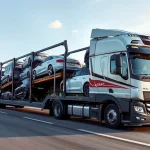
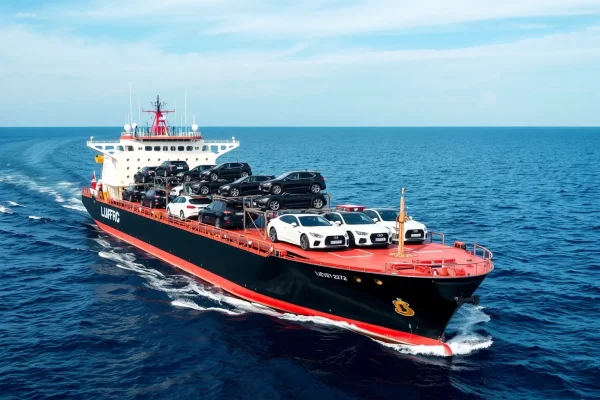
The transportation of vehicles across long distances‚ especially internationally‚ often involves the use of shipping containers.
Understanding how many cars can fit in a shipping container is crucial for optimizing space and ensuring efficient vehicle transport.
This involves considering car dimensions‚ container size‚ and effective loading techniques.
Understanding Shipping Container Sizes
Shipping containers come in various standard sizes‚ with the most common being 20-foot and 40-foot containers.
These containers are designed to facilitate international shipping and are a staple in transport logistics.
The internal dimensions of a standard 20-foot container are approximately 19.4 feet in length‚ 7.9 feet in width‚ and 7.9 feet in height.
Meanwhile‚ a 40-foot container offers about 39.5 feet in length‚ with similar width and height dimensions as the 20-foot container.
Car Dimensions and Vehicle Transport
Car dimensions vary widely depending on the type of vehicle. For instance‚ a compact car like a Honda Civic has a length of about 14.8 feet‚
while an SUV such as a Ford Explorer measures around 16.8 feet. Understanding these dimensions is key to determining how many cars can fit in a container.
Smaller cars obviously allow for more to be loaded‚ while larger vehicles require more space and may limit the number of cars that can be transported.
Container Capacity and Loading Techniques
The capacity of a shipping container is determined by both its size and the arrangement of the cargo.
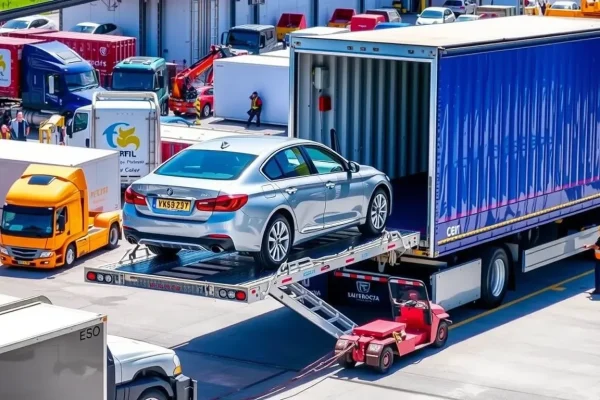
Loading techniques play a vital role in maximizing container capacity; Vehicles must be strategically positioned to fit within the available space.
This involves careful planning and may include loading cars at angles or using special equipment to stack or secure them.
Space Optimization in Vehicle Transport
Space optimization is crucial in shipping efficiency and cost-effectiveness. By efficiently arranging vehicles within a container‚
freight forwarding companies can reduce the number of containers needed‚ thereby lowering shipping costs.
Techniques such as double-deck loading systems‚ where cars are stacked in two tiers‚ are frequently employed to maximize the use of vertical space.
Automobile Shipping and Cargo Arrangement
Automobile shipping requires meticulous cargo arrangement to prevent damage during transit.
Cars are typically secured in place using wheel chocks‚ straps‚ and other restraints to prevent movement.
This not only protects the vehicles but also ensures the safety of the transport process.
The Role of Transport Logistics in Containerized Transport
Transport logistics is a critical component of containerized transport. It involves coordinating the movement of containers from
point of origin to their destination. This includes managing schedules‚ handling customs clearance‚ and ensuring compliance with
international shipping regulations. Efficient logistics ensure that vehicles are delivered promptly and in good condition.
Vehicle Storage and International Shipping Considerations
When shipping vehicles internationally‚ storage considerations are paramount. Vehicles must be stored in a manner that optimizes space
while also protecting them from environmental elements and potential damage. This is particularly important in containerized transport
where space is limited and costly.
How Many Cars Fit in a Container?
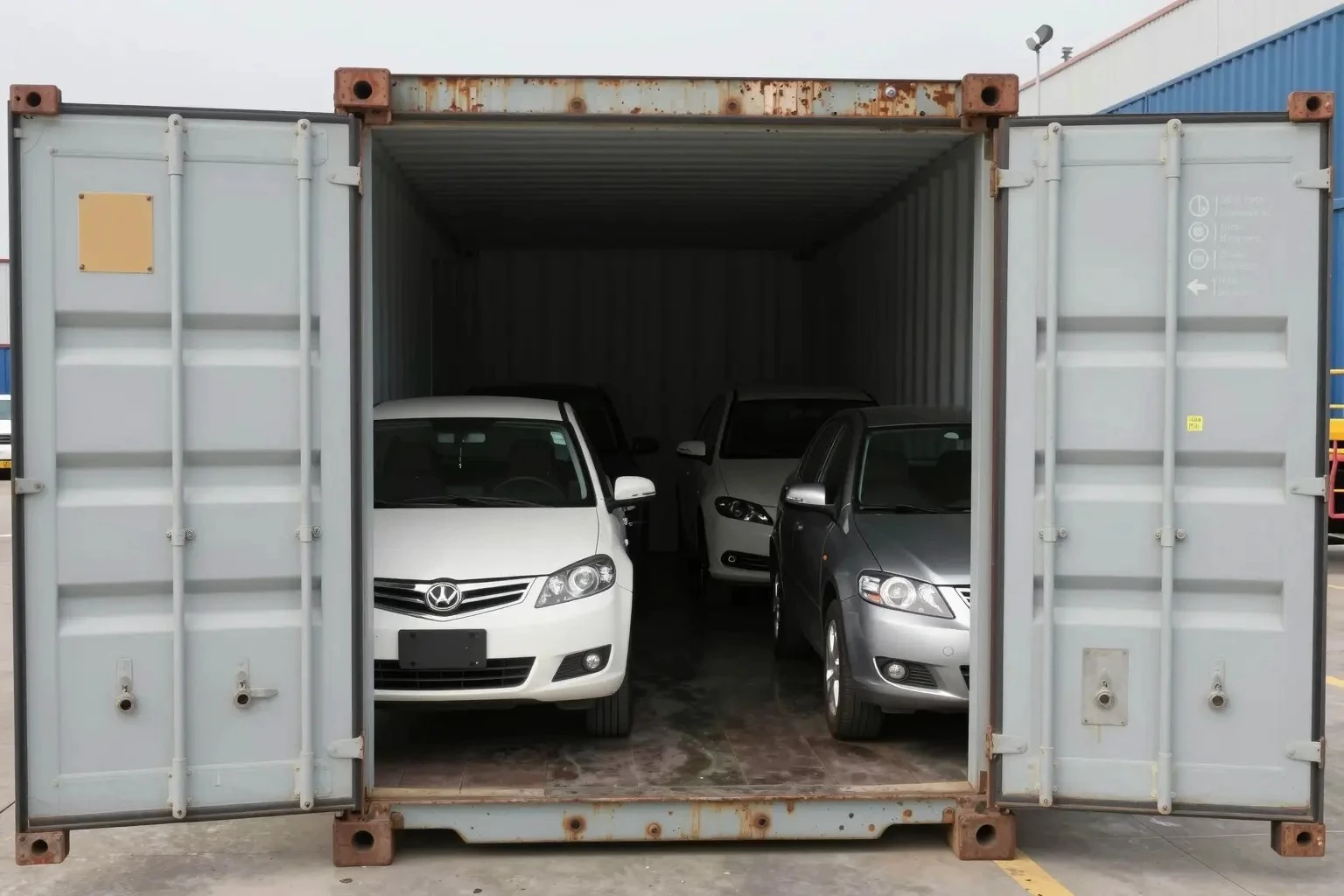
The number of cars that can fit in a shipping container depends on several factors‚ including the size of the container and the dimensions of the cars.
Generally‚ a 20-foot container can hold two standard-sized sedans. In contrast‚ a 40-foot container can accommodate about four to five sedans‚ depending on their size.
Factors Affecting the Number of Cars
- Car Type and Size: Larger vehicles such as SUVs and trucks take up more space‚ reducing the number of vehicles that can fit in a container.
- Loading Techniques: Efficient loading techniques such as using ramps or platforms can increase the number of cars that fit in a container.
- Container Size: Obviously‚ larger containers can hold more vehicles‚ but they also require more space and different handling equipment.
and effective loading techniques. By optimizing space and employing strategic cargo arrangement‚ logistics companies can maximize
container capacity and reduce costs. This not only benefits the shipping companies but also enhances the overall efficiency of
international shipping.