Will a car fit in a shipping container
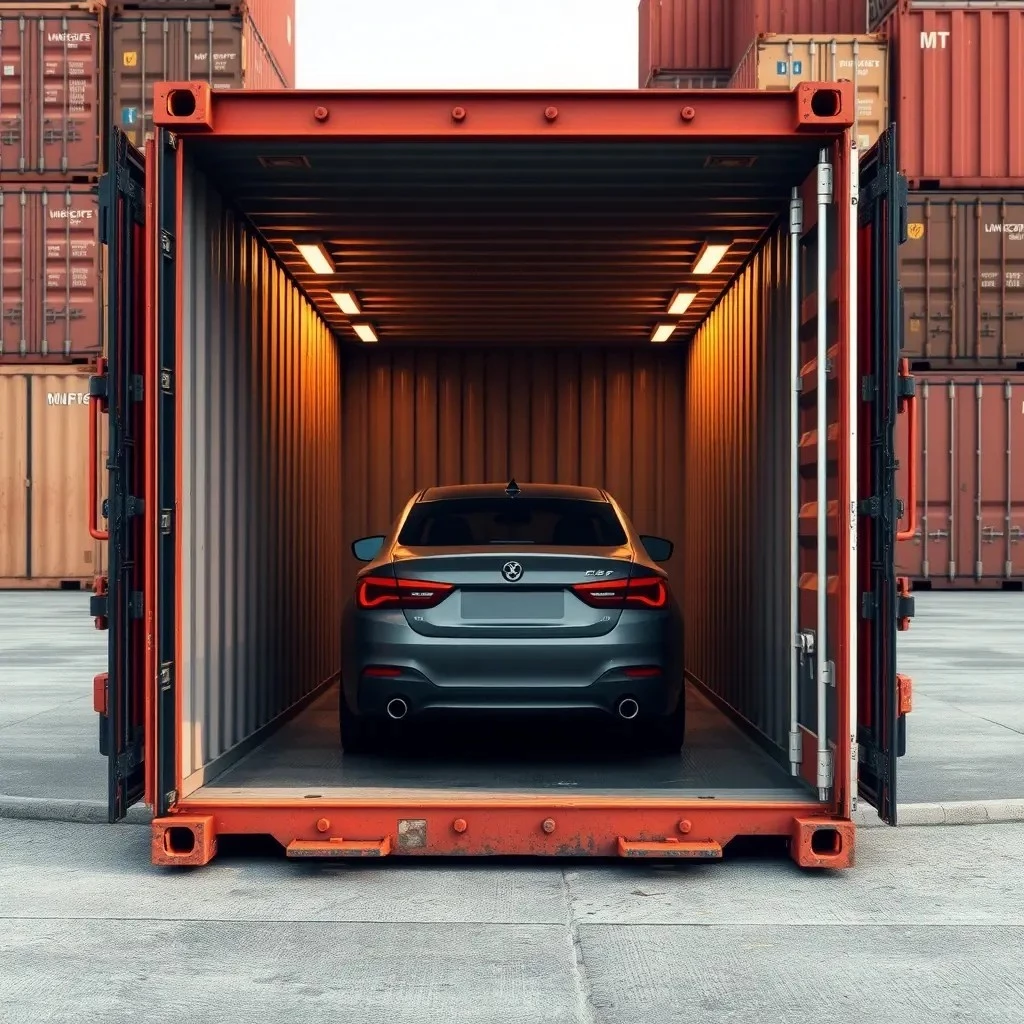
Shipping containers have revolutionized the way goods are transported across the globe, offering a secure and efficient method for international shipping. When it comes to vehicle transport, particularly for cars, one of the most common questions is: Will a car fit in a shipping container? Understanding shipping container dimensions, vehicle transport requirements, and the process of containerized shipping is crucial for automotive logistics; This article will explore these aspects in detail.
Understanding Shipping Container Dimensions
Shipping containers come in various sizes, but the most commonly used are the 20-foot and 40-foot containers. Knowing the container dimensions is essential when considering whether a car will fit inside.
- 20-foot container: Typically measures 20 feet in length, 8 feet in width, and 8.5 feet in height. The internal dimensions are slightly smaller due to the thickness of the container walls.
- 40-foot container: Measures 40 feet in length, with the same width and height as the 20-foot container. Again, internal dimensions are marginally less.
The container width and height are crucial factors to consider, especially when dealing with height restrictions and the container door size, which may affect the loading process.
Car Dimensions and Compatibility
To determine if a car will fit in a shipping container, knowing the car dimensions is essential. Most standard cars will fit comfortably in a 20-foot container, provided they fall within the average width and height specifications. However, larger vehicles, such as SUVs or trucks, might require a 40-foot container due to their increased size.
Container Loading and Vehicle Clearance
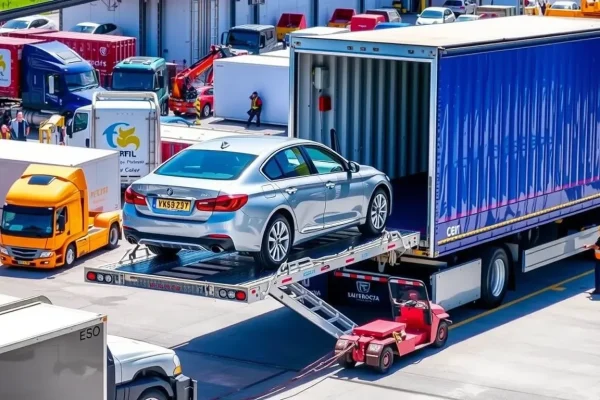
Once compatibility is determined, the next steps involve container loading and ensuring adequate vehicle clearance. Proper loading techniques are vital to prevent damage during transit.
- Space Optimization: Efficient use of space is crucial to accommodate the vehicle and any additional cargo.
- Cargo Securing: Vehicles must be securely fastened to avoid movement during shipping, which could lead to damage.
Specialized equipment and expertise are often required to achieve optimal loading conditions.
Freight Forwarding and Automotive Logistics
Working with experienced freight forwarding companies can simplify the process. These companies specialize in automotive logistics, handling everything from paperwork to actual transportation. They ensure that the vehicle is loaded correctly and all necessary protocols are followed.
Other Shipping Methods: Roll-On/Roll-Off Shipping
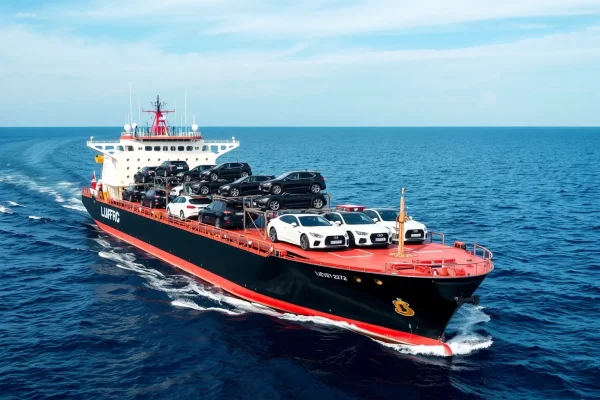
While containerized shipping is popular, another method known as roll-on/roll-off (RoRo) shipping offers an alternative for vehicle transport. In RoRo shipping, vehicles are driven directly onto the shipping vessel, negating the need for containerization.
RoRo is often preferred for larger vehicles, but it lacks the protective enclosure provided by containers, which could be a concern for expensive or delicate vehicles.
International Shipping Considerations
For international shipping, understanding the regulations and customs requirements of the destination country is essential. Each country has its own set of rules, and compliance is necessary to avoid delays or additional costs.
By understanding these factors, vehicle owners can confidently navigate the complexities of international shipping and ensure their vehicle arrives safely and efficiently at its destination.