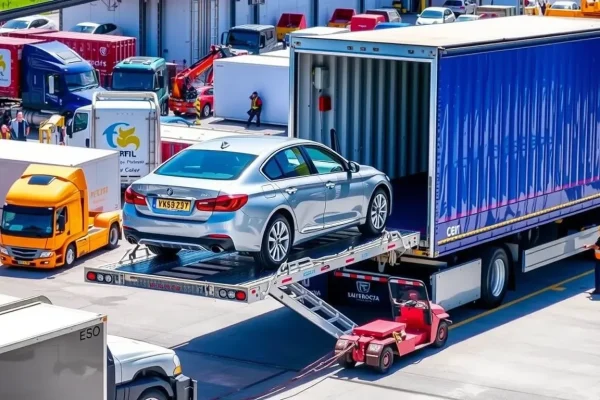
How long does car shipping take
Shipping a vehicle across distances, be it short or long, involves a complex process with various factors influencing the delivery timeframe. Understanding these factors can help set realistic expectations for the auto shipping experience;
Factors Affecting Vehicle Transport Duration
The transit duration of a vehicle is determined by several key elements:
- Shipping Distance: Naturally, the farther the shipping distance, the longer the transit time will be. For example, transporting a car within the same state might take a few days, whereas cross-country shipments could take a week or more.
- Transport Method: The mode of transport affects speed. Carrier services using open trailers are common and usually faster than enclosed trailers, which offer more protection but may take longer due to limited availability.
- Shipment Route: The shipment route chosen can also impact delivery times. Popular routes with heavy traffic might experience delays, whereas less-traveled paths might be faster but less frequent.
- Pickup and Delivery Locations: Urban areas might offer quicker pickup and delivery options compared to rural areas where access might be limited.
- Transport Schedule: The transport schedule must align with the availability of carrier services and the customer’s timeframe, which can sometimes add days to the process.
- Freight Logistics: The efficiency of freight logistics operations, including the coordination of multiple shipments, also plays a role in determining the overall delivery estimate.
Typical Transit Times for Auto Shipping
While each shipment is unique, here are some general delivery estimates for different distances:
- Local Moves: Typically 1-3 days.
- Regional Moves: Generally 3-5 days.
- Cross-Country Moves: Can range from 7-10 days, depending on specific factors mentioned above.
Choosing the Right Carrier Service
To ensure a timely vehicle delivery, selecting the right carrier service is crucial. Consider the following when making your choice:
- Reputation: Look for a service provider with positive reviews and a track record of reliability.
- Cost vs. Speed: Evaluate whether speed or cost is your priority, as faster services may come at a premium.
- Insurance Coverage: Ensure the service offers adequate insurance to protect your vehicle during transit.
Tips for a Smooth Car Relocation Experience
Having a seamless car relocation experience involves more than just selecting a carrier. Here are some additional tips:
- Plan Ahead: Book your shipping service well in advance to secure your preferred dates and prices.
- Prepare Your Vehicle: Remove personal items, check the battery, and ensure the car is clean for inspection.
- Communicate Clearly: Keep in touch with your service provider to get updates on your vehicle’s status.
Understanding the factors that affect vehicle transport and planning accordingly can greatly enhance the auto shipping experience. While the delivery timeframe varies based on numerous elements, being informed and choosing a reputable carrier service can help ensure a smooth and efficient car relocation process. Always consider your specific needs and circumstances to determine the best approach for your vehicle delivery.